About Divinia Health
Divinia Health builds practical tools that help addiction-treatment teams recognize meaningful changes in attendance and engagement, route concerns to the right person, and document what happens next.
We support clinical judgment. We do not replace it.
Why we started Divinia Health
Divinia Health grew out of time spent in medicine, addiction and recovery work, research, and technology, and from seeing the same gap from different angles.
The people doing this work care enormously. But too often, they are asked to coordinate extraordinarily complicated care with information scattered across systems, conversations, notes, spreadsheets, and memory.
We started Divinia Health because we kept seeing good people doing difficult work without the tools they deserved.
We're beginning with a small part of that problem. We expect to spend a long time learning about the rest.
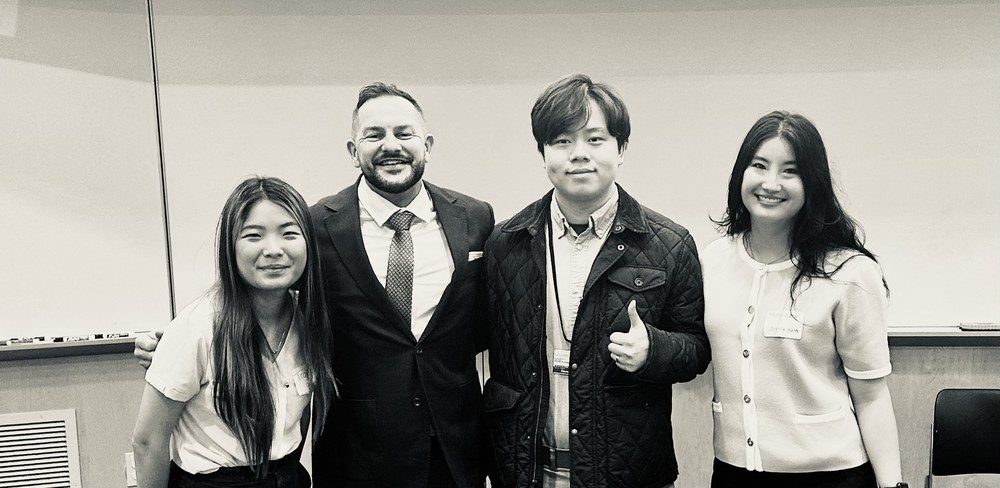
Along the way, the team presented at Johns Hopkins School of Medicine, in the Wood Basic Science Building, and won the audience choice award. The product looked different that day than it does now. Getting here took real iteration, and feedback from more than 50 clinical environments along the way.
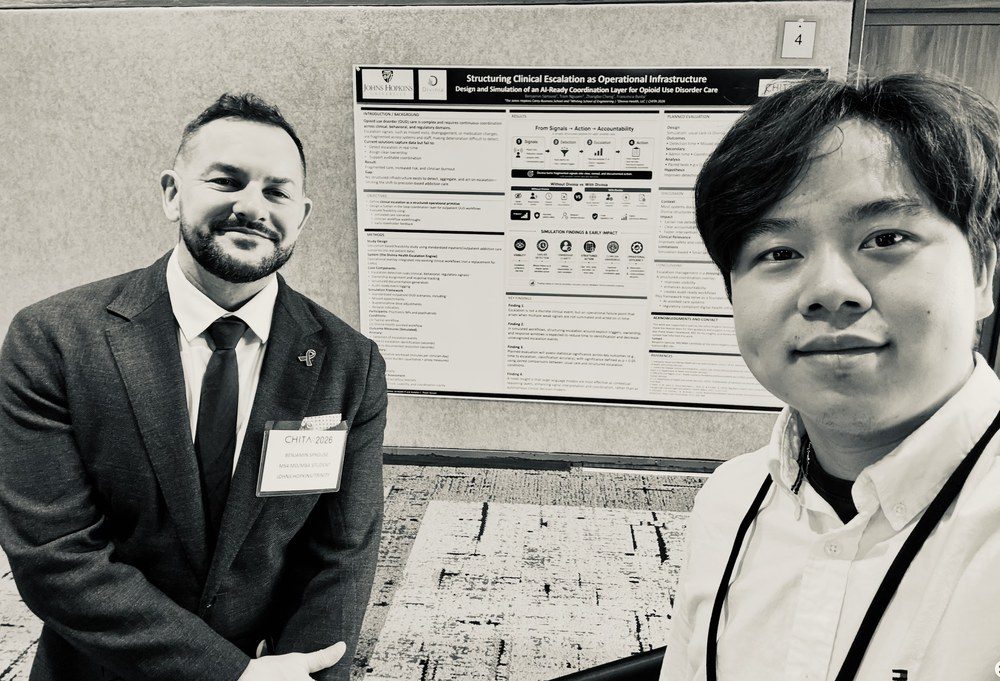
The team also presented simulation-based research on structuring clinical escalation in opioid use disorder care at CHITA 2026, the health IT and analytics conference, in Washington, DC.
Why this field
Addiction treatment is filled with people doing difficult, deeply human work inside systems that were not designed to make continuity easy.
There is an extraordinary amount left to do: improving engagement, strengthening transitions between levels of care, supporting people after structured treatment ends, reducing administrative burden, and learning which interventions actually help.
Some of that work is already underway: alongside opioid use disorder, the team is researching gambling addiction and recovery, including a systematic literature review of the evidence base.
No single platform will solve all of that.
Neither will Divinia Health.
But we intend to contribute.
What we hold to
These principles guide how we build, what we measure, what we claim, and what we choose not to build.
Evidence before assumption.
We begin with transparent signals such as attendance, participation, follow-through, and changes over time. We distinguish what can actually be observed from what is inferred, predicted, or still unknown.
Technology should inform judgment, not replace responsibility.
We build tools that help clinicians, staff, and care teams make better-informed decisions. Technology can surface information and support action, but people remain accountable for clinical judgment.
Information should help someone do something useful.
A signal matters when it reaches the appropriate person, leads to a defined next step, and creates accountability around what happened next. We are not interested in dashboards for the sake of dashboards.
Evidence before hype.
We test workflows before outcomes, validate systems before describing them as predictive or effective, and distinguish clearly between what we know, what we are evaluating, and what we hope to learn. During early development, we use synthetic or appropriately de-identified information wherever possible.
Greater visibility should create opportunities for support.
The purpose of identifying changes in engagement or behavior is to help teams recognize when someone may need additional support, not to label, punish, rank, or reduce a person to a score.
Our responsibility should extend beyond our products.
As Divinia Health grows, so should our contribution to the people, organizations, researchers, clinicians, peers, and communities doing the work. We want to create value beyond what we sell, through responsible research, shared learning, support for recovery and treatment initiatives, and eventually a formal mechanism for giving back.
Team
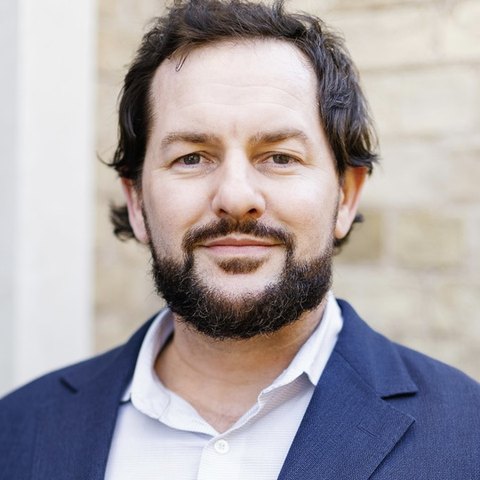
Leads Divinia Health's strategy, clinical translation, and relationships with treatment organizations. His work sits at the intersection of medicine, behavioral health, business, and technology, with a particular focus on making innovation useful inside real care environments.

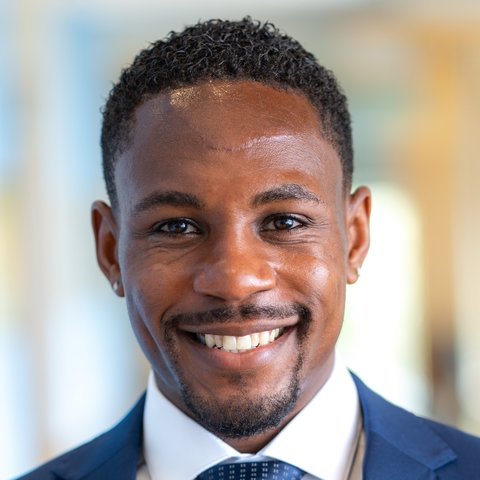
Helps shape the technical foundation of Divinia Health's products and translates complex operational requirements into practical systems.
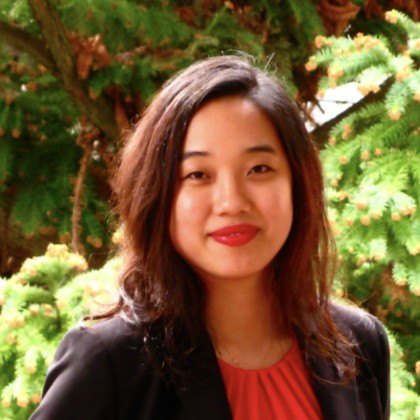
Contributes clinical and research perspective to product development, helping Divinia Health ask better questions, structure evaluation, and remain grounded in how care is actually delivered.
Supports the operational, research, and data-coordination work required to move Divinia Health's ideas into disciplined, testable projects.
The work is only beginning
We are building deliberately, alongside people who understand the realities of addiction treatment. Divinia Health is interested in hearing from treatment organizations, clinicians, researchers, and operators working to improve engagement, continuity, and follow-through.